- It’s been a bad month for Sydney’s vital theatre industry.
- Two cancellations have been announced thanks to the cost-of-living crisis and the high price of putting on shows.
- But the theatre industry is resilient – and a ray of light appeared when one operator said he was opening two new venues.
This month, the government announced record arrivals and spending by tourists. Domestic and international visitors in the year ending March 2026 spent a record $61.9 billion across the state, a 16 per cent increase year on year.
Major events were singled out by Destination NSW as delivering significant economic returns. Sporting events such as The Ashes and the British & Irish Lions Tour helped drive UK visitor spending to more than $1 billion.
But another area of the visitor economy that delivers crucial returns was not mentioned. In fact, Sydney’s theatre industry rarely gets a shout-out as the State Government appears to focus on nightclubs, concerts and big events.
Yet theatre, a vital part of our cultural scene, is hurting more than most from the cost-of-living crisis and high costs. We’ve now had three cancelled musicals in less than a year, and one theatre says it will be dark for 30 weeks.
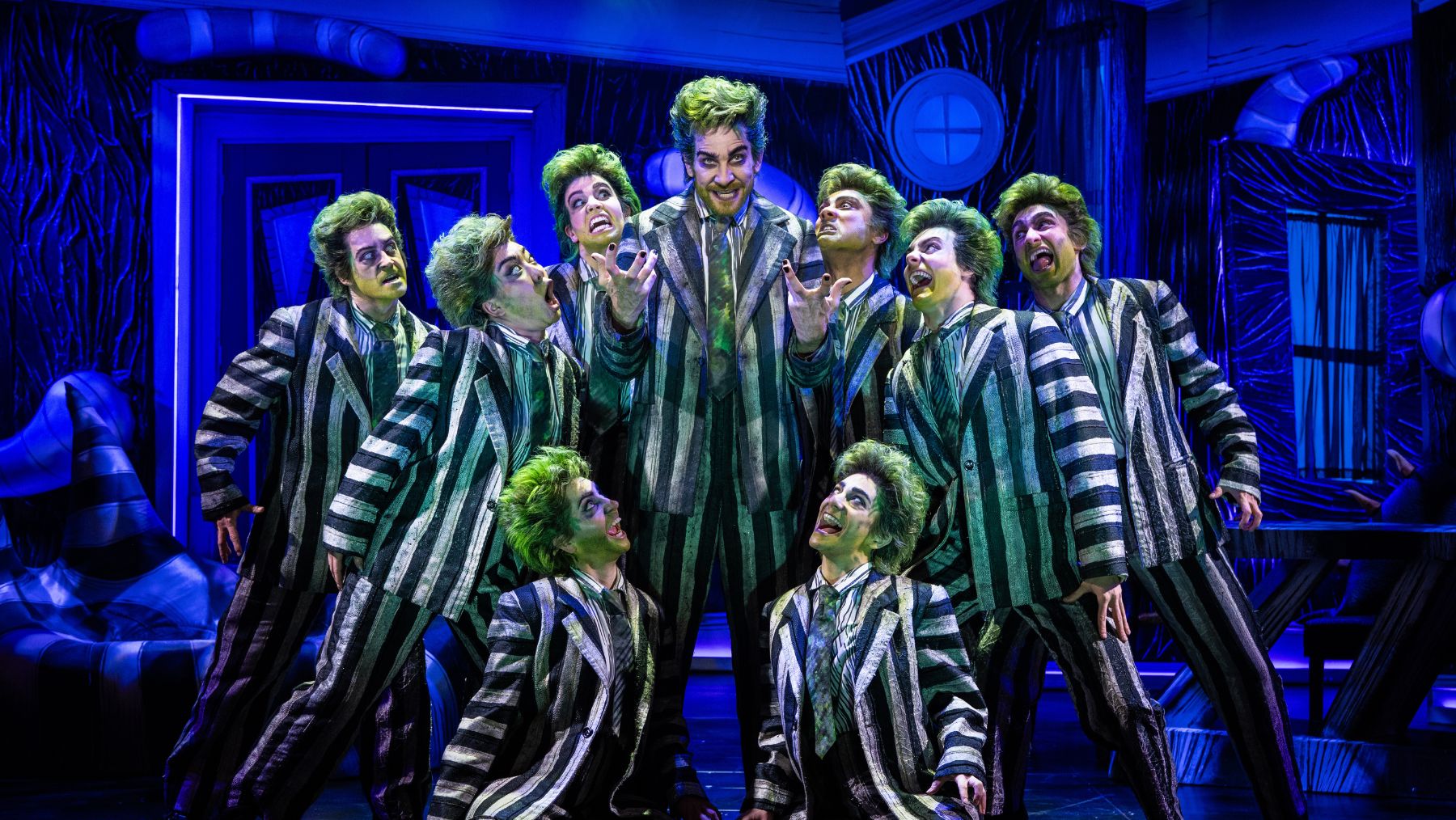
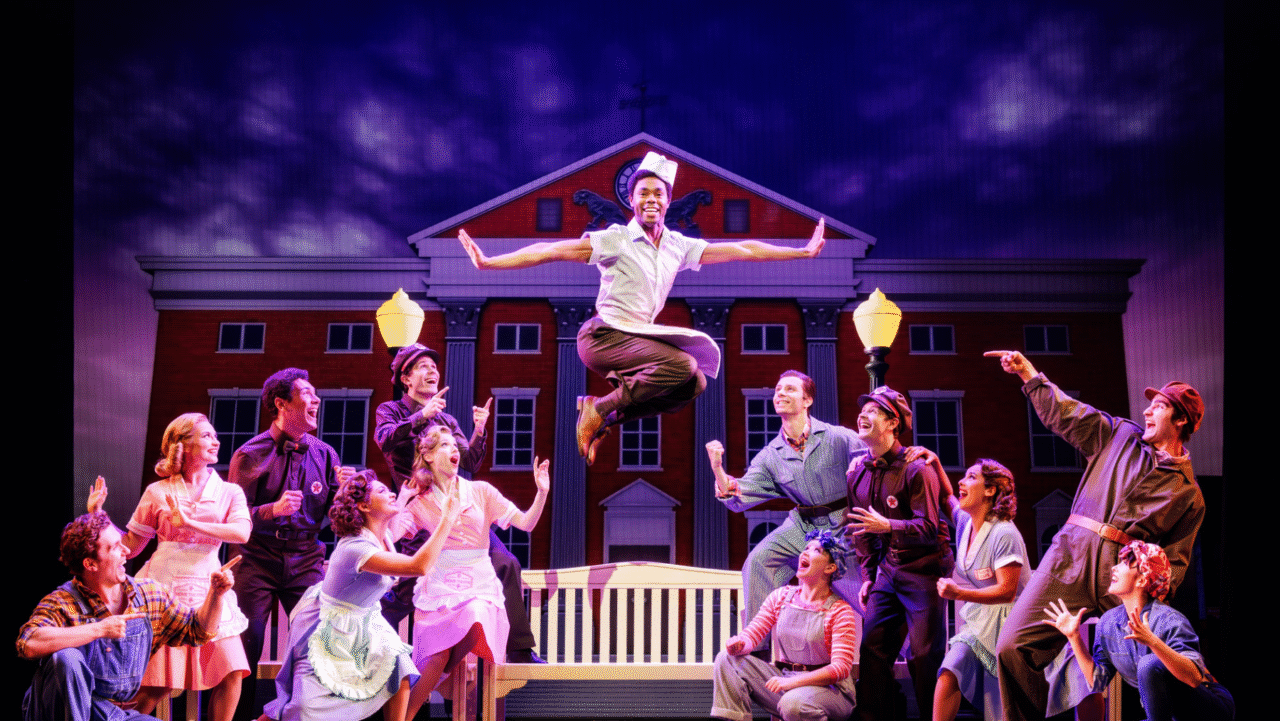
First came Back to the Future, which closed early at Sydney’s Lyric Theatre and abandoned its planned national tour. Then the Michael Cassel Group announced the cancellation of the Australian tour of Beetlejuice, scrapping seasons in Sydney and Adelaide despite months of anticipation.
This week came another blow. Waitress, starring Natalie Bassingthwaighte and Rob Mills, will end its Melbourne season on July 19 and will not travel to Sydney’s Lyric Theatre as planned.
The producers and ticketing organisations are arranging refunds. And our theatre community is in shock.
The news had already spread. The Times of India headlined: Australian musical ‘Waitress’ gets cancelled for Sydney season: ‘This is disappointing news’.
Great cities don’t attract visitors simply because they have beautiful harbours. They attract them because they offer unforgettable experiences. Broadway is one of New York’s biggest tourist attractions. London’s West End is an economic powerhouse.
Melbourne has spent decades nurturing its East End Theatre District into Australia’s premier theatre precinct. Sydney should be leading Australia in commercial theatre. Instead, it is beginning to lose productions before audiences even get the chance to see them.
As one theatre goer said in a Reddit post: “Wtf is going on in Australia? Is there a curse there where American musicals can’t do a full tour there without shutting down under mysterious circumstances?”
The economics no longer stack up
The cancellation of Waitress is perhaps the most worrying yet because producer John Frost is a seasoned professional. Crossroads Live has delivered some of Australia’s biggest musical successes.
Yet even Frost admitted the production had become impossible to sustain. “Cost-of-living pressures, interest rate rises and domestic and international economic uncertainty have contributed to softer box office performance,” he said in announcing the cancellation.
Earlier this month, Michael Cassel Group — arguably Australia’s most successful commercial producer of the past decade, responsible for Hamilton and MJ The Musical — reached almost exactly the same conclusion in cancelling Beetlejuice.
These are not obscure productions. They are internationally recognised Broadway hits with built-in audiences. If they cannot survive, producers will inevitably become more cautious about bringing expensive new musicals to Australia.
That creates a dangerous cycle. Fewer productions lead to fewer visitors. Fewer visitors make productions harder to finance. Eventually, Sydney risks losing its reputation as a must-visit theatre destination.
A ray of hope?
Then came a glimmer of hope. The Financial Review reported that the owner of Sydney’s two largest commercial theatres will spend $200 million to build two more, even though his existing venues are facing 30 collective weeks of shutdown due to the cancellation of two major musicals.
Stephen Found of Foundation Theatres owns the Capitol Theatre and Sydney Lyric. They were to have been the venues of Beetlejuice and Waitress respectively.
The Fin says the Foundation is progressing plans to expand its Sydney Lyric precinct adjacent to Star Casino. The company last year added a 630-seat theatre called The Foundry behind its main venue, the 2050-seat Lyric.
It also bought Star’s convention centre for $60 million and has approval to convert its main room into a 1500-seat proscenium arch theatre with a 500-standing contemporary music venue next door due to start construction next year.

The Lyric banks on Neil Diamond
Despite the challenges facing Sydney’s theatre industry, it was business as usual at the Sydney Lyric Theatre this week as it hosted a special preview of the upcoming production of A Beautiful Noise: The Neil Diamond Musical.
Created in collaboration with Neil Diamond himself, the musical tells the true story of how a shy kid from Brooklyn became one of America’s biggest music icons. The production opens at Melbourne’s Princess Theatre in August before arriving at the Sydney Lyric in November. Featuring 23 of Diamond’s biggest hits, it stars Broadway performer Will Swenson alongside Australian actor Ashleigh Rubenach as Marcia Murphey.
Performing a rendition of “Sweet Caroline” at the preview, Swenson reflected on the show’s success in the United States, describing the audience response as “amazing”.
“We knew that the audiences would be excited because everyone already has a relationship with Neil and his music.”
“As an actor in a show, usually your job is to win over an audience… this audience was already won over.”
Rubenach added, “Neil’s music cannot be understated in the impact it’s had on all our lives here in Australia.”
The Sydney Lyric will be banking on Neil Diamond’s devoted fanbase to fill seats and help restore momentum to one of the city’s biggest commercial theatre venues. Early signs seem promising, with the production already extending its Sydney season by three weeks due to “incredible demand”.
Government seems to have forgotten the theatre
The NSW Government deserves enormous credit for recognising the importance of Sydney’s night-time economy. It has invested heavily in bringing live music back to the city.
It talks regularly about pubs, clubs, festivals and late-night trading. All of those initiatives matter. But where is theatre in that conversation?
Commercial theatre is one of the highest-value forms of entertainment any city can offer. A couple travelling from interstate to see a musical doesn’t simply buy two theatre tickets. They book flights, they stay in hotels, they eat in restaurants and they shop.
Every musical generates economic activity far beyond the theatre foyer.
Yet there is little evidence that theatre occupies the same strategic importance in government thinking as live music.
It should.
And the Federal Government, which offers much by way of tax incentives to the film industry, also needs to see the importance of cultural events like theatres in our capital cities. A campaign is being launched to pressure Canberra into offering the same incentives to live shows.
Sydney has been here before
During a tour of the magnificent State Theatre, one fascinating statistic stood out. Sydney once boasted around 28 theatres.
Many disappeared during the office-building boom of the 1960s and 1970s, when historic entertainment venues were demolished in favour of commercial development.
Entire generations of theatres vanished from the city skyline.
Melbourne largely protected its theatre heritage. Today, its famous East End Theatre District remains Australia’s most concentrated collection of commercial theatres, with six major venues operating within a few city blocks and dozens more performance spaces across the city.
Sydney still has outstanding venues — the Capitol Theatre, Theatre Royal, Sydney Lyric, State Theatre, Roslyn Packer Theatre and others — but they operate largely in isolation rather than as part of an identifiable theatre precinct.
For years, there have been discussions about creating a genuine Sydney theatre district. Those conversations now deserve renewed urgency.
Time for action
The cancellation of Waitress should be a line in the sand. Three failed productions in quick succession should trigger an urgent conversation involving the federal government, producers, theatre owners, Destination NSW and the state government.
Should blockbuster productions receive tourism assistance similar to major sporting events? Or tax assisteance similar to movie production?
Because if producers begin quietly bypassing Sydney—or shortening seasons to minimise financial risk—the city will lose far more than opening nights. It will lose one of the experiences that help make it a world city.