- Beetlejuice the musical’s run across Australia has been cancelled.
- The show’s season in Brisbane will stop on July 5, and seasons in Adelaide and Sydney have been cancelled.
- It comes as Sydney theatres face a major problem financing shows – and the impact on tourism will cost us millions.
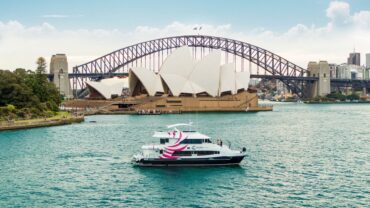
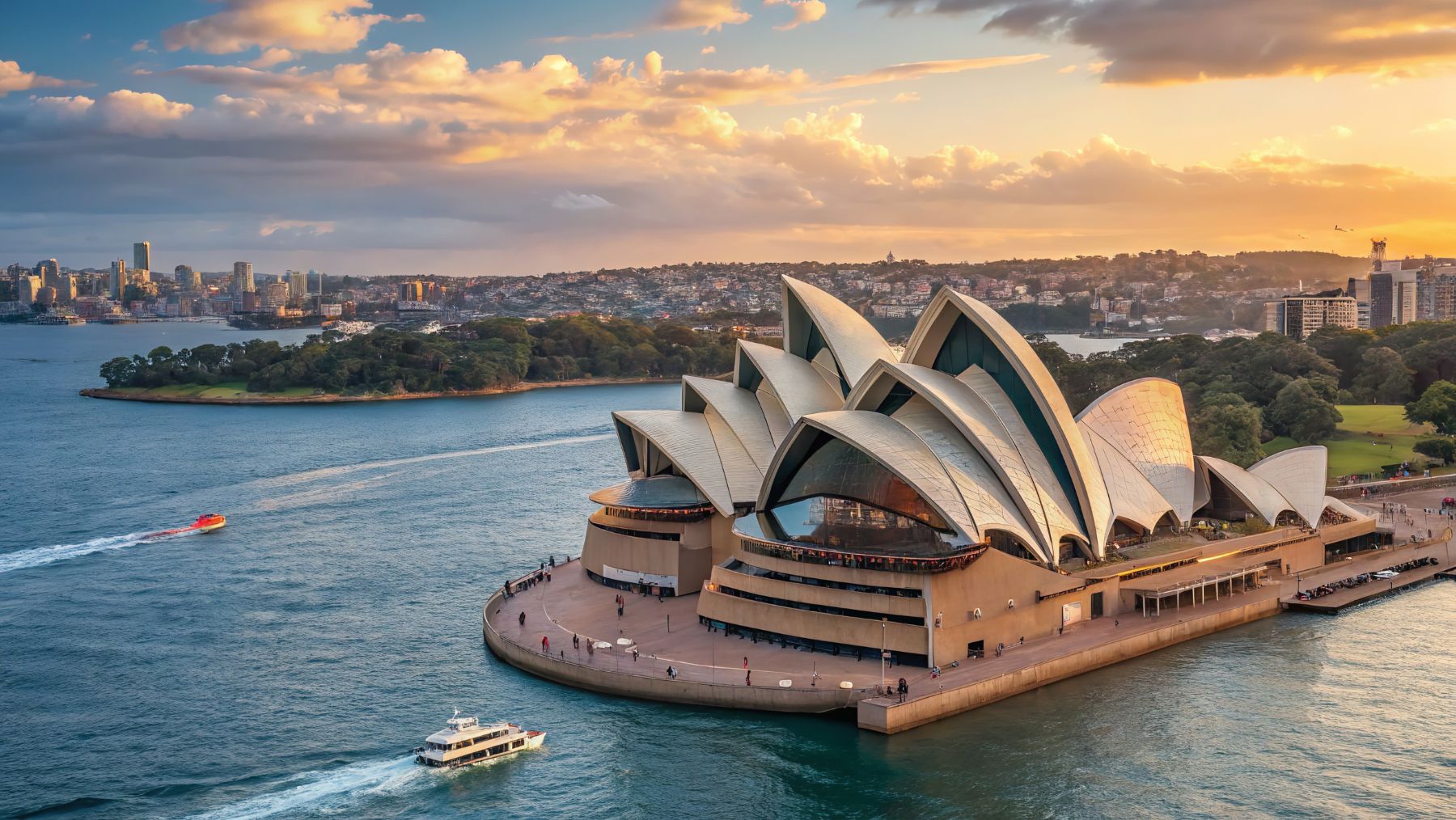
Sydney’s burgeoning tourism business relies on how visitors are attracted to the city by its beautiful harbour, the Opera House and Harbour Bridge. But it’s not just the Big Three – it is also the cultural experiences we offer.
Theatre and performance is an important part of that mix. But those great shows are now under threat.
The shock cancellation of Beetlejuice The Musical‘s Sydney season is more than just disappointing news for theatre lovers. It is a stark warning that Sydney’s commercial theatre sector is under increasing strain — and that should worry anyone who cares about the city’s future as a global tourism destination.
The Michael Cassel Group’s decision to cancel the remaining Australian tour of Beetlejuice, including planned seasons in Sydney and Adelaide, has sent ripples through the industry. The producers cited rising touring costs and a cautious consumer environment as key reasons for the decision, despite strong audience enthusiasm for the show.
If a production from Michael Cassel Group — arguably Australia’s most successful commercial theatre producer of the past decade — cannot make the numbers work, then what does that say about the broader state of the market?
This is the same company that delivered blockbuster successes including Hamilton, MJ The Musical and numerous international productions that have drawn visitors from across Australia and overseas. Michael Cassel is not known for reckless gambles. He is one of the industry’s smartest operators. When a producer of his calibre decides a Sydney season is no longer commercially viable, policymakers should take notice.

A pattern is emerging
Unfortunately, Beetlejuice is not an isolated case. The commercial theatre industry has spent the past several years grappling with shrinking seasons and increasing financial risk. The days when major musicals could run for six months, nine months or even a year in Sydney appear increasingly rare.
One of the most notable casualties was Back to the Future: The Musical, which closed significantly earlier than many had expected. Industry observers saw it as a worrying sign that even internationally recognised titles were struggling to generate the sustained demand needed to support long commercial runs. Beetlejuice now joins that list.
Even successful productions are becoming increasingly cautious. Hair, currently playing at the Theatre Royal Sydney, is scheduled for a run of little more than a month before making way for Fiddler on the Roof. That rapid turnover may keep venues occupied, but it also reduces the opportunity for interstate and international visitors to plan trips around major productions.
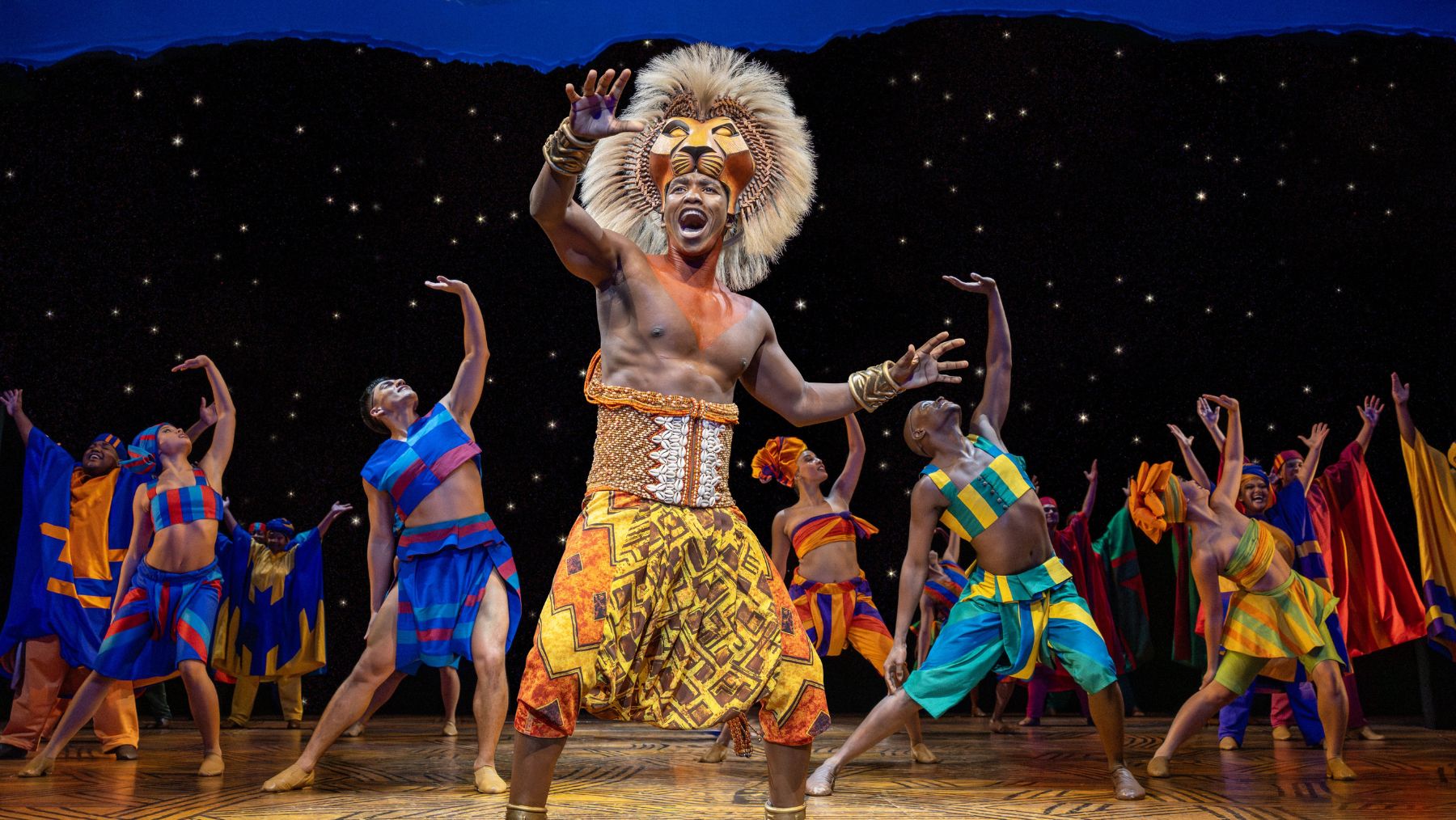
Lion King is running for five months at the Capitol Theatre.
For investors, shorter runs mean higher risk. The economics of commercial theatre depend on spreading enormous upfront costs across long seasons. Sets, costumes, cast salaries, orchestra costs, venue hire, marketing and logistics must all be recovered through ticket sales. When seasons become shorter, the margin for error becomes razor thin.
The tourism connection
Sydney often talks about tourism in terms of beaches, harbours and sporting events. Yet around the world, major theatre productions are recognised as powerful tourism drivers.
London’s West End attracts millions of visitors annually. Broadway remains one of New York City’s biggest economic engines. Melbourne has long understood the value of major theatrical events as part of its cultural identity.
The question is whether Sydney’s leaders fully appreciate the role theatre plays in attracting visitors.
When tourists decide to spend a long weekend in a city, cultural attractions matter. A visitor might book flights to see Hamilton, The Lion King or Wicked. They stay in hotels, eat in restaurants, visit attractions and spend money throughout the local economy.
The economic impact extends far beyond the theatre itself.
NSW has set an ambitious target of achieving $90 billion in annual visitor expenditure by 2035. Achieving that goal will require Sydney to offer compelling reasons for visitors to choose the city over competing destinations. A thriving theatre sector should be part of that strategy.
Yet recent developments suggest theatre is slipping down the priority list.

A city that lost its stages
The irony is that Sydney was once far richer in theatre infrastructure than many people realise.
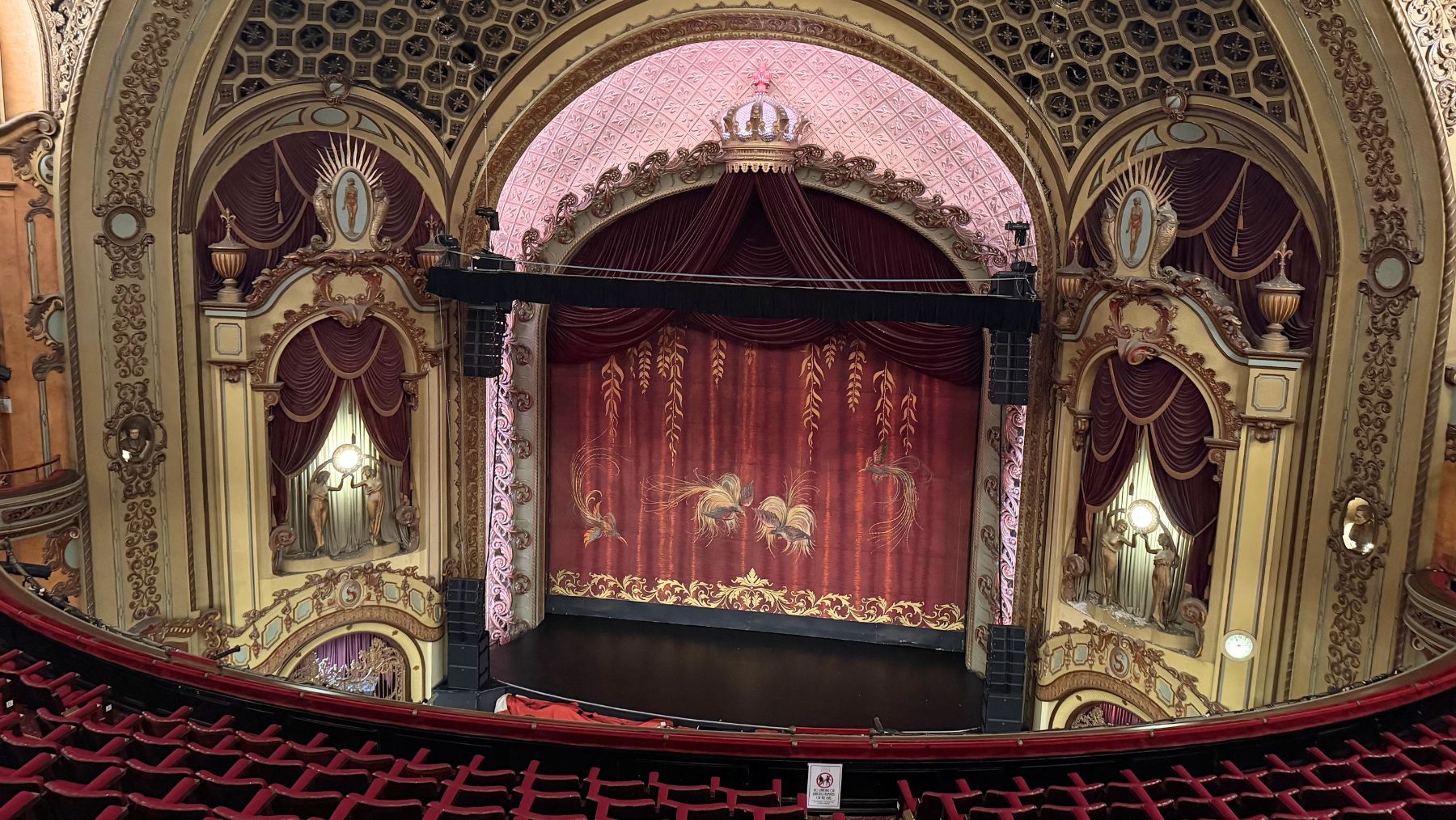
During a tour of the State Theatre, one guide remarked that Sydney once boasted around 28 theatres. Many disappeared during the redevelopment boom of the 1960s and 1970s, when historic entertainment venues were demolished to make way for office towers and commercial developments.
The city’s historical records reveal a remarkable number of former theatres scattered throughout the CBD and inner suburbs, many of which have long since vanished. The Regent, Tivoli, Paris, Criterion, Lyceum and numerous others were lost as Sydney embraced modernisation.
Today, Sydney retains a number of major venues, including the Capitol Theatre, Theatre Royal Sydney, Sydney Lyric, State Theatre, Roslyn Packer Theatre, Belvoir St Theatre, Wharf Theatres, Enmore Theatre and several smaller independent spaces. But the city never fully replaced the concentration of theatrical infrastructure it once enjoyed.
Melbourne, by comparison, has developed a stronger reputation as Australia’s theatre capital. Its East End Theatre District provides a concentrated cluster of major venues that creates a critical mass of activity and audience engagement. Sydney’s venues are more dispersed and often compete against a wider range of entertainment options.
The forgotten theatre district
There was a time when Sydney appeared ready to address this imbalance.
Various proposals over the years have explored the creation of a theatre precinct or entertainment district capable of rivaling Melbourne’s East End or London’s West End. More recently, Foundation Theatres unveiled plans to create a five-venue theatre precinct around Pyrmont, centred on the Sydney Lyric and several new performance spaces.
The concept recognised a simple truth: successful theatre ecosystems thrive on concentration. When multiple venues operate within walking distance of each other, audiences develop habits. Restaurants, bars and hotels benefit. The entire precinct becomes a destination.
Yet despite these ambitions, public policy attention appears increasingly focused elsewhere.
Government discussions about Sydney’s night-time economy often centre on live music venues, late-night trading and nightclub culture. These initiatives have merit, but theatre is too often absent from the conversation.
That omission is difficult to understand when theatre delivers many of the same benefits: vibrant night-time activity, cultural prestige, visitor spending and employment.
Looking ahead
None of this means Sydney’s theatre scene is doomed. There are still world-class productions arriving in the city. Local companies continue to produce outstanding work. Sydney Theatre Company, Belvoir, Griffin Theatre and others remain internationally respected cultural institutions.
But the commercial musical sector is clearly facing mounting pressure. The cancellation of Beetlejuice should be viewed as a wake-up call rather than an isolated disappointment. If major producers are finding Sydney increasingly difficult to sustain, then policymakers need to ask why.
Is it venue availability? Rising production costs? Audience behaviour? Competition from streaming and other entertainment options? Or is it a lack of strategic recognition that theatre is a tourism asset worthy of support?
Whatever the answer, the stakes extend beyond the box office. Cities compete globally for visitors, investment and talent. Great theatre contributes to all three. It creates experiences that cannot be streamed, downloaded or replicated elsewhere. It gives people a reason to travel.
Sydney has spent decades promoting its natural beauty. Perhaps it is time to invest with equal ambition in its cultural stage. Because if Sydney wants to achieve its tourism aspirations for 2035, it cannot rely on beaches and harbour views alone.
It needs great shows too. Arts Minister John Graham and Destination New South Wales should look at what happened to Beetlejuice and decide if this vital area of our culture needs as much as help as night clubs, rock concerts and light shows.
Sydney v Melbourne: the theatre capitals
Melbourne’s famous East End Theatre District alone contains six major heritage theatres operating within a few city blocks:
- Princess Theatre
- Regent Theatre
- Her Majesty’s Theatre
- Comedy Theatre
- Athenaeum Theatre
- Forum Melbourne
These venues form a concentrated theatre precinct similar in concept to London’s West End. If you broaden the definition to include the Arts Centre Melbourne precinct, Southbank Theatre, Malthouse, independent venues and other professional performance spaces, Melbourne has well over 30 active theatres and theatre venues across the CBD and inner city.
More importantly, Melbourne has spent decades building and marketing an identifiable theatre district. Its East End Theatre District contains six major commercial theatres within walking distance of each other, creating a critical mass of productions, restaurants, bars and hotels that reinforces Melbourne’s reputation as Australia’s theatre capital.
Sydney, by contrast, has major theatres scattered across the CBD, Pyrmont, Walsh Bay and elsewhere, making it harder to create the same destination effect.
Sydney’s major commercial venues include:
The Capitol Theatre
- Theatre Royal
- Lyric Theatre
- State Theatre
- Roslyn Packer Theatre
- Belvoir
- Wharf
- Enmore