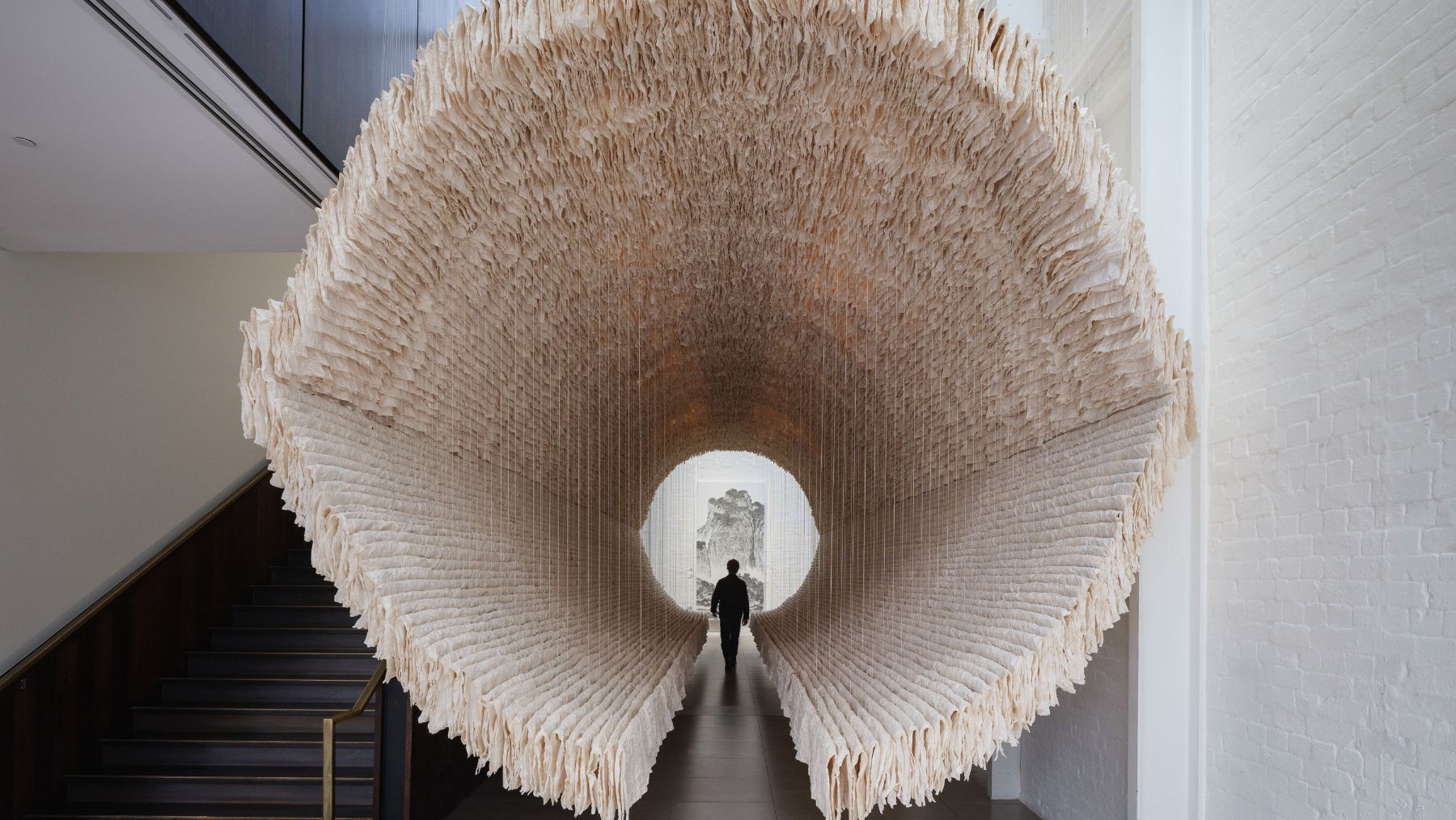
As admission prices rise across Sydney’s biggest cultural institutions, one independent gallery refuses to charge an entry fee. We chatted with the White Rabbit Gallery team about accessibility, exhibitions and Sydney’s changing cultural spaces.
It’s no secret that Sydney’s cultural scene is becoming increasingly expensive.
In May, we reported that admission prices have climbed across some of the city’s biggest attractions. The Museum of Contemporary Art increased general admission by 25 per cent to $25, while an adult ticket to the Art Gallery of NSW’s iconic Archibald Prize exhibition now costs $30. Taronga Zoo has broken the $50 mark, and a Sydney Opera House tour will now set visitors back at least $50.
As the cost of a day out in Sydney continues to rise, White Rabbit Gallery remains a rare exception. Since opening its doors in Chippendale in 2009, the independent gallery has welcomed visitors completely free of charge.
We spoke to White Rabbit Gallery’s Digital Communications Manager, Hannah McKellar, and Assistant Curator, Meng-Yu Yan, who have both been part of the gallery’s team since 2015, about accessibility, the current exhibition on display and the importance of keeping the gallery free.
The story behind White Rabbit Gallery
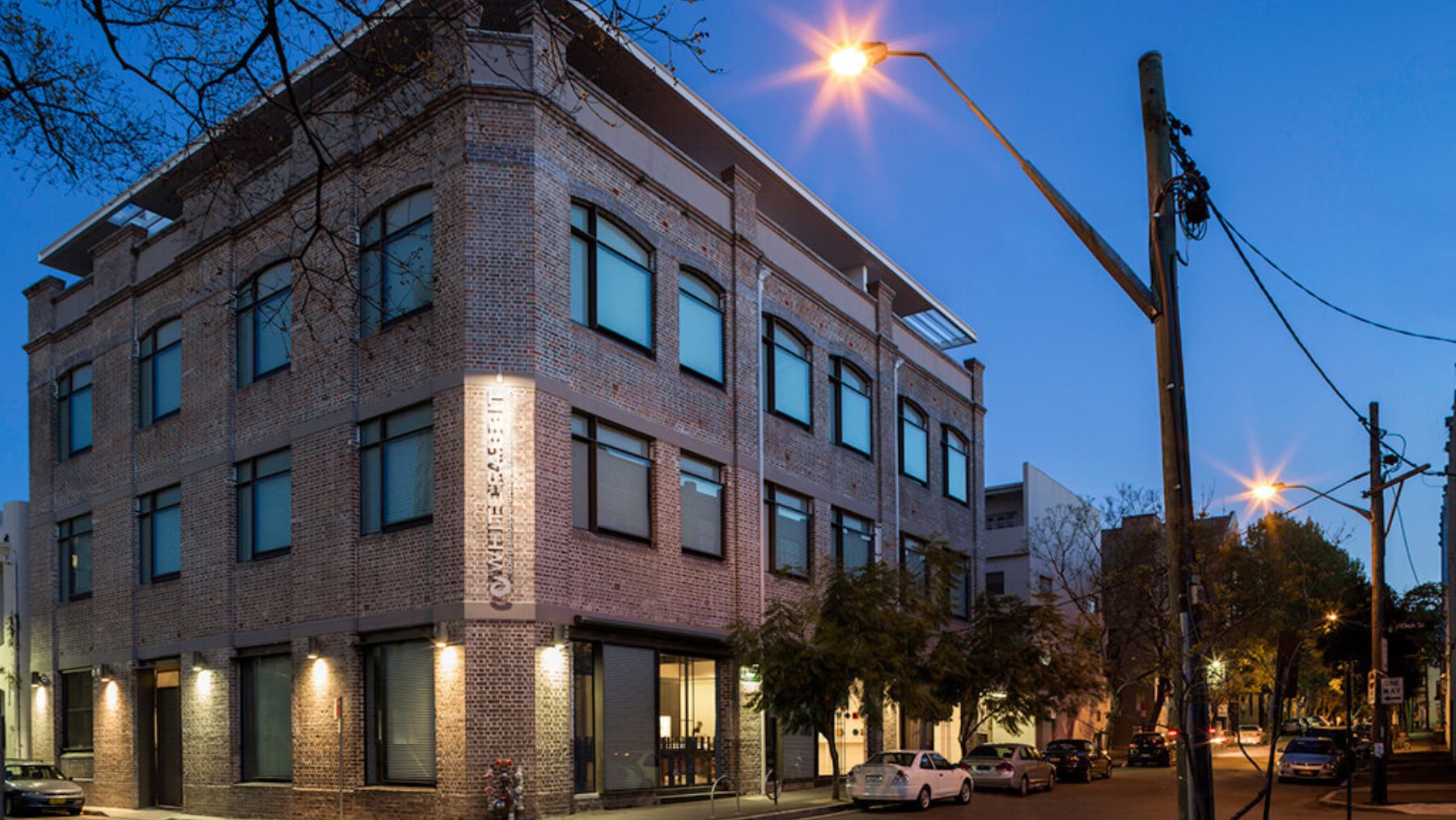
White Rabbit Gallery was founded by Australian businesswoman and philanthropist Judith Neilson after a trip to Beijing in the late 1990s sparked an interest and passion for Chinese contemporary art. She was captivated by the creative energy and technical quality of the works she saw and wanted to share them with people outside China.
To bring her vision to life, she enlisted architect William Smart to transform a former Rolls-Royce service depot into the four-storey gallery that now stands in Chippendale. Today, the gallery is home to more than 3,000 works by over 800 artists and stages two completely new exhibitions each year, each drawn from its permanent collection.
But where does the name “White Rabbit” Gallery come from?
Hannah tells us, “When William Smart asked Judith what she would like to call the gallery, she thought back to her first trip to China, where she was gifted two small, white statuettes depicting seated figures, each holding a white rabbit.
This trip had such a profound impact on her, and the statuette was so symbolic that she decided to call it White Rabbit Gallery.”
Since its opening, both Hannah and Meng-Yu have reflected that the gallery “evolves with its constantly expanding collection, showcasing a mixture of new acquisitions and familiar favourites.”
The collection only contains works made by artists from the year 2000 onwards, and has therefore become a “unique reflection of how China has transformed over the past 26 years”.
Meng-Yu shares that “each exhibition is curated from the permanent White Rabbit collection… We often show both new and existing works that speak to a particular theme or concept that relates to the traditions of Chinese culture as well as the hard-hitting issues people face today.”
Recent exhibitions have explored themes ranging from the erased histories of China’s queer community in Tender Comrade (2025) to acts of defiance and disobedience in The Hooligans (2025–26).
For Hannah and Meng-Yu, White Rabbit Gallery can be summed up in one sentence: “A space for art that breaks all the rules.”
Why free admission matters
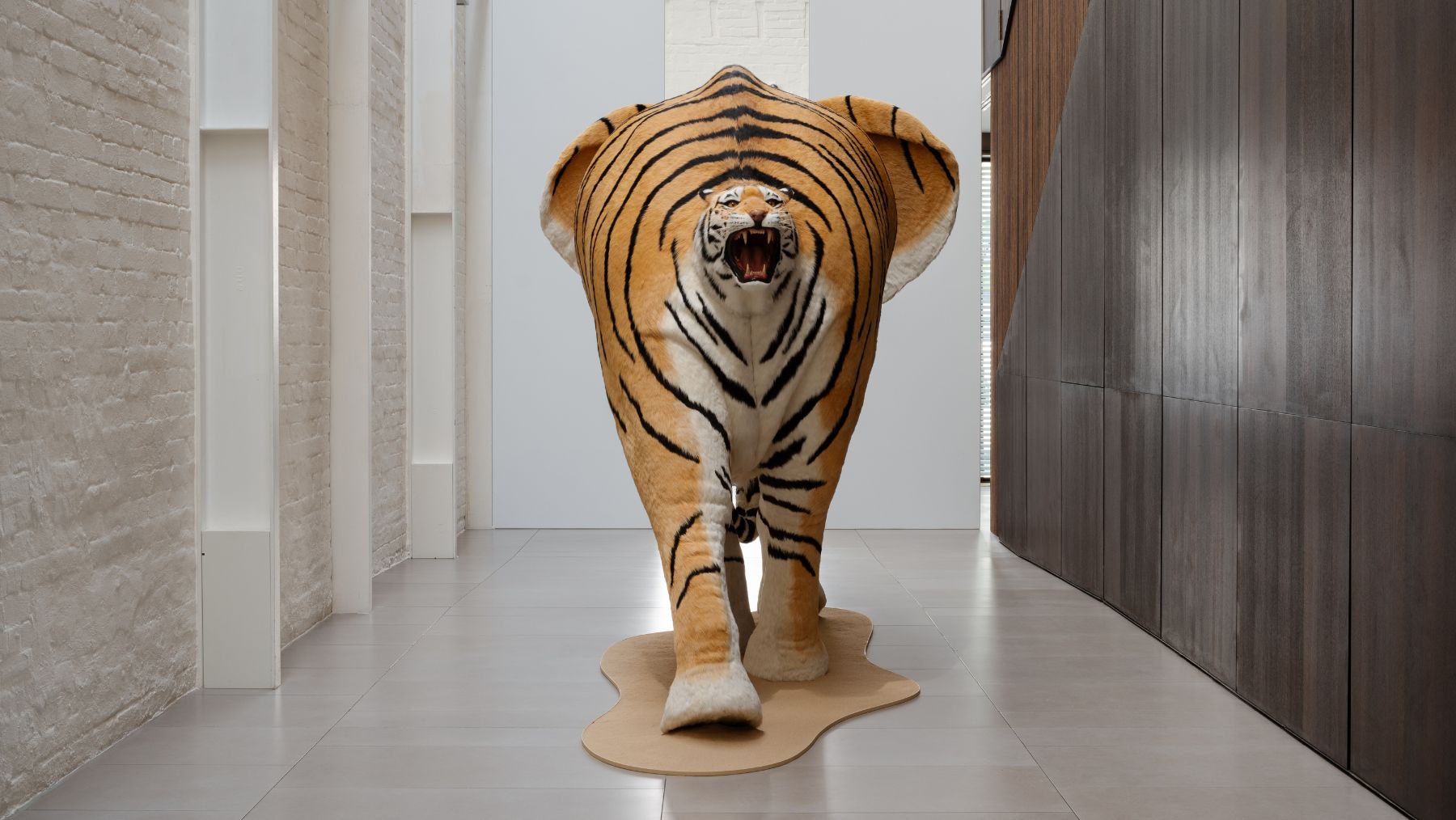
Since its inception, White Rabbit Gallery has remained completely free to explore. Hannah tells us, “Accessibility is something that Judith Neilson values deeply, and she believes that her incredible collection of Chinese contemporary art should be shared.”
“Judith funds the entire gallery, its operations, and the collection facility herself with the goal of making the extraordinary artworks accessible to an audience who would otherwise not have any way to engage with it.”
For the team, the lack of an admission fee is about more than affordability – it’s about making art feel welcoming to everyone, whether they’re seasoned gallery-goers or first-time visitors. As Hannah puts it, “Culture creates connection and art starts conversations.”
That philosophy is reflected in the people who walk through the gallery’s doors every day.
“Many visitors who come to visit the White Rabbit Gallery have never stepped foot inside an art gallery or museum before. There are enough barriers that prevent people from entering these spaces, so it is important for us to make it as accessible as possible.”
“With the rising cost of living, it is difficult for many people to make time to engage with creativity—whether that be music, art, performance and more. And with less access, there could be less support. Without our creative industries and artists, our culture would lack so much vibrancy, joy, connection, and critical thinking.”
The current exhibition, Black Myth
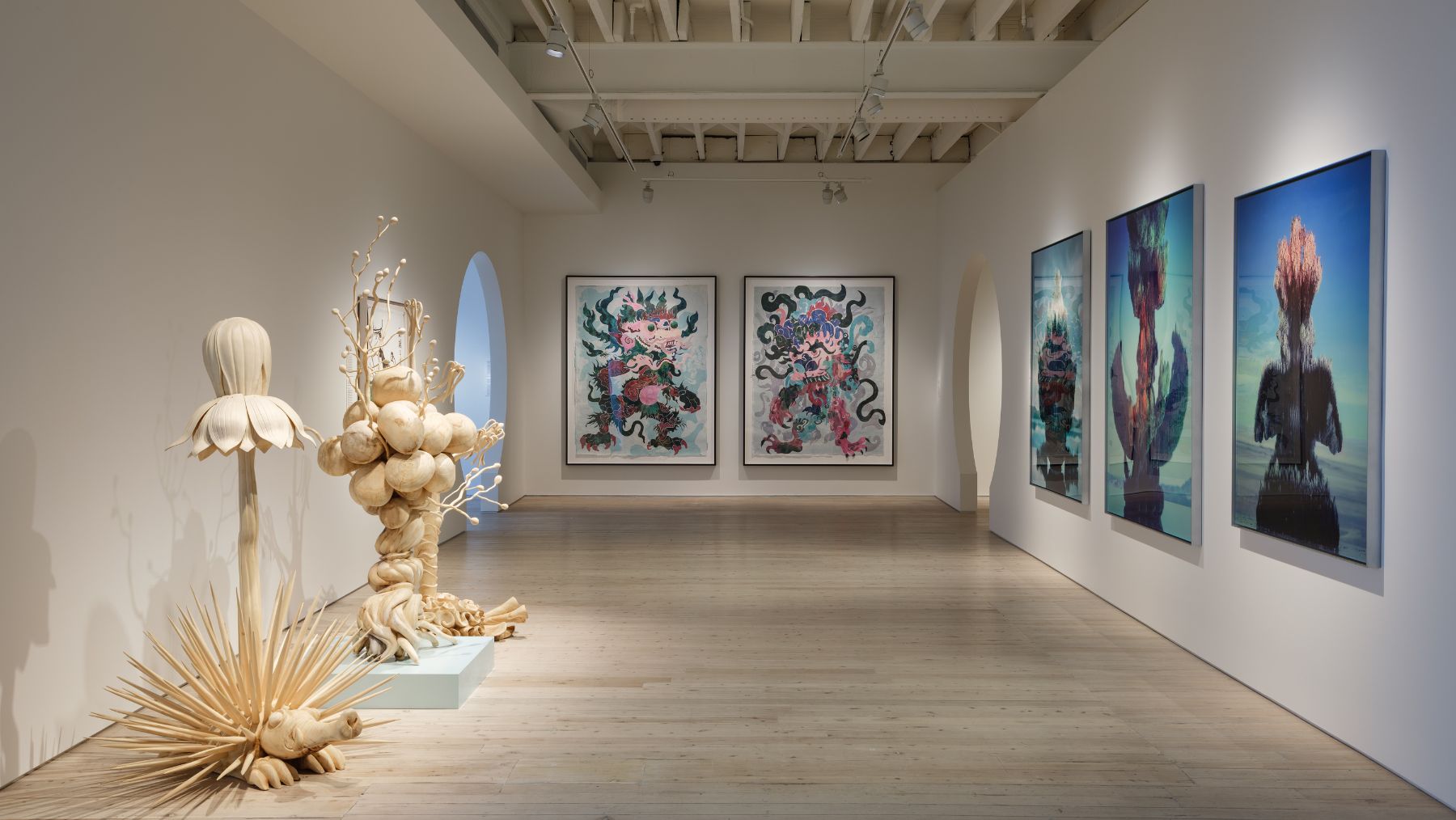
White Rabbit Gallery’s latest offering, Black Myth, opened to the public on June 25, marking the 33rd exhibition in the gallery’s history. The exhibition draws on the viral Chinese video game Black Myth: Wukong, which is a contemporary retelling of the classic novel Journey to the West.
Examining the dark side of myth in the modern world, the exhibition features a variety of media. Artists such as Sun Xun conjure entire worlds through finely detailed woodcuts and ink painting; Zong Ning reimagines ancient legends using contemporary photography and everyday materials; while Hou Chun-Ming infuses Daoist myth and philosophy into crude, playful, and provocative characters.
Meng-Yu tells us that the exhibition “poses the question: what role does myth still play in an age driven by technology and rapid urban development?”
If you’re keen for a budget-friendly day out (so budget-friendly that you won’t spend a cent), the team also recommends the free guided tours that occur at the gallery. These tours go for approximately 40 minutes, and you’re welcome to explore the gallery at your own leisure after.
Hannah and Meng-Yu recommend leaving 45 minutes to 2 hours to explore the four floors of the gallery, depending on “the kind of experience you would like to have.”
Although there is not yet any information about the gallery’s next exhibition after Black Myth, the team confirmed that the next one will be called Generation Xi.
For more information about the White Rabbit Gallery, click here. Note that the gallery is open Wednesday to Sunday from 10am to 5pm.
Cover Image: Zong Ning 宗宁, Furuncle, 2019, archival inkjet print, 150 x 330 cm, (Image: Hamish McIntosh).