In collaboration with Featherdale Sydney Wildlife Park
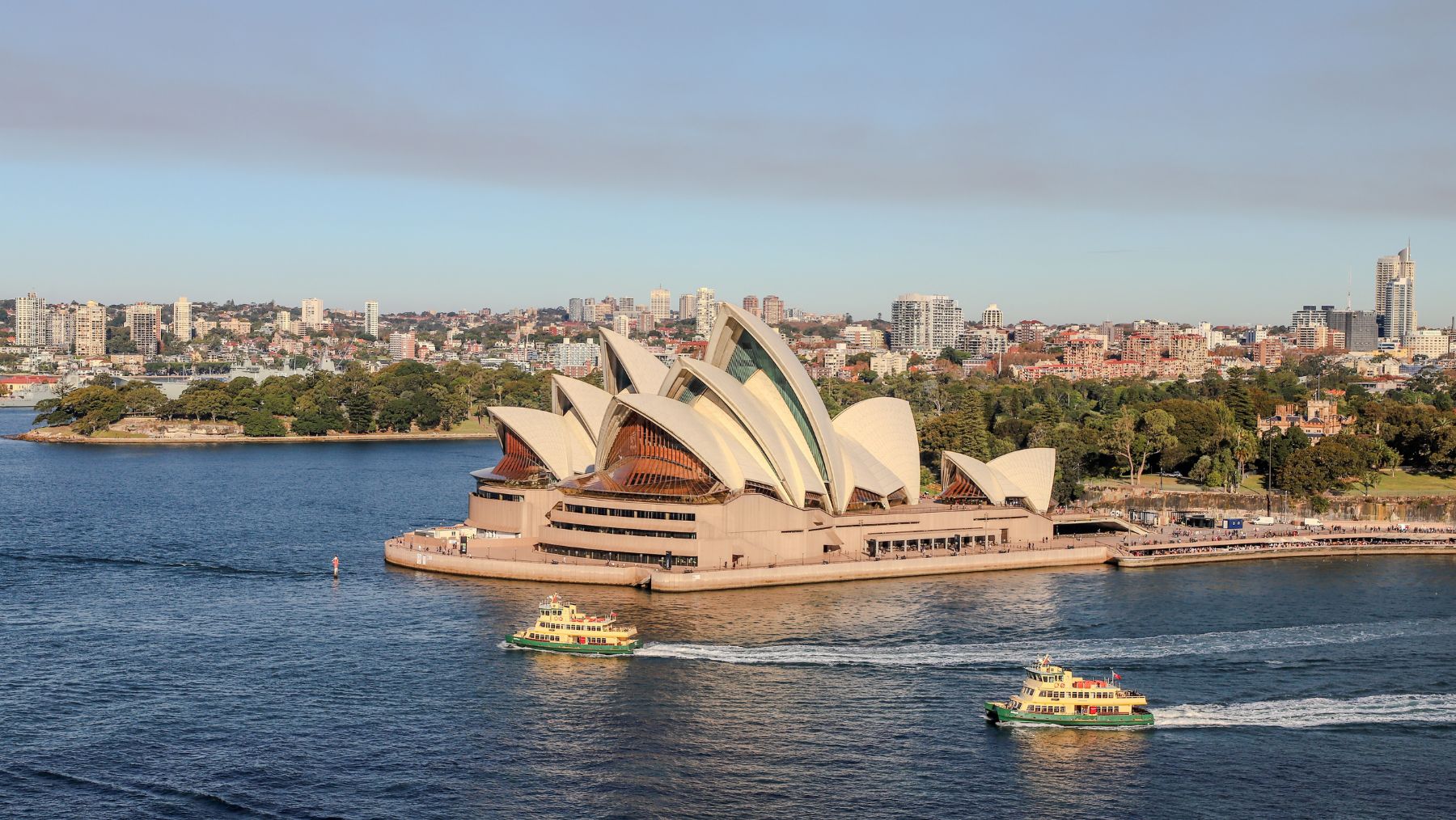
Sydney has plenty of icons that travellers recognise before they arrive. The Sydney Opera House rising above the harbour is the most obvious one. A ferry making its way towards Manly is another. The Blue Mountains always capture imaginations with their iconic landscapes. Australia’s wildlife belongs in that picture too, particularly for those who have grown up seeing kangaroos bounding across screens and koalas clinging to gum trees.
Featherdale Sydney Wildlife Park brings that side of Australia into a Sydney holiday without requiring a major detour. Located in Western Sydney, around 45 minutes from the CBD, the park is home to more than 2,000 native animals and the world’s largest collection of Australian wildlife.
That scale is impressive, although the experience itself is always surprisingly intimate. Visitors can walk among kangaroos and get remarkably close to a koala. Elsewhere in the park are Australian animals that rarely receive the same international attention, all coinciding with the experience in a way that’s deeply immersive and resoundingly ethical.

Meet Australia’s most famous animals
Few wildlife experiences feel as distinctly Australian as walking among kangaroos beneath the gum trees.
Featherdale has three walk-through habitats where kangaroos and wallabies move around visitors instead of being viewed from a distant enclosure. Food is available to purchase for hand-feeding, creating the kind of close encounter many international travellers have probably imagined long before arriving in Sydney.
Koalas are another essential stop. The optional Personal Koala Experience allows visitors to get close enough to pat one while learning about the animal from Featherdale’s keepers. NSW regulations don’t allow visitors to hold koalas, so the experience is carefully managed around the animal while still allowing that memorable physical connection.
Then there are the quokkas. Usually associated with Western Australia, these famously expressive marsupials can also be seen at Featherdale. They’re included with general admission, while an optional Quokka Encounter takes visitors into their enclosure for a closer experience that includes hand-feeding.

Beyond the headline animals
The familiar Australian favourites may get people through the gates, though Featherdale is most interesting when you start encountering species you weren’t necessarily expecting to see.
Wombats can be found here alongside echidnas. There are dingoes elsewhere in the park, while smaller native animals include bilbies and quolls. Little penguins also make an appearance.
Some of the park’s larger residents are harder to overlook. Emus tower over many of their neighbours, while the southern cassowary looks every bit as prehistoric in person as it does in photographs. Featherdale’s collection extends into native birdlife and reptiles, with an imposing saltwater crocodile among the latter.
Regular keeper presentations are held throughout the day and offer more detail about the animals visitors encounter. Optional experiences provide another opportunity to spend time with particular species, so it’s worth checking the day’s schedule when arriving rather than simply following the park in one direction.
Families with younger children should also find the Farmyard. This free interactive area brings children closer to farm animals such as goats and ducks, with the chance to feed some of the residents. It’s an easy place to spend some time before returning to Australia’s more unusual native wildlife.
The compact layout is another advantage, especially for travellers trying to fit Featherdale into a busy Sydney itinerary. A large proportion of the park can be explored comfortably in around two to three hours. Wildlife enthusiasts and keen photographers may want longer, particularly if they’re timing their visit around keeper presentations.

Start a Blue Mountains day at Featherdale
Featherdale’s Western Sydney location is particularly useful for anyone planning a day in the Blue Mountains.
The park sits naturally along the journey west from central Sydney, making the morning a good time to visit. You can spend a few hours getting acquainted with Australian wildlife before continuing towards the eucalyptus forests and sandstone escarpments of the mountains.
There’s something so satisfying about doing the trip in that order. A wallaby seen at close range suddenly gives the surrounding bushland context. Spotting an echidna at Featherdale might also leave visitors watching the roadside a little more carefully. Once you’re familiar with these animals and their habitats, the imagination will start to run wild while you’re making way up to those iconic Blue Mountains.
Allowing two to three hours at the park still leaves plenty of time to continue towards the Blue Mountains. Free parking is available at the entrance, with additional parking nearby when required.
Featherdale is straightforward to reach from central Sydney as well. Visitors can take a train to Blacktown Station and transfer to the 729 bus, which takes around 10 minutes and stops directly outside the park.

An Australian wildlife experience within Sydney
Featherdale’s manageable size is part of what makes it so easy to add to a holiday. More than 260 native species are represented across the park, including threatened animals that many visitors would have little chance of encountering in the wild.
For anyone putting together a first Sydney itinerary, Featherdale Wildlife Park deserves consideration alongside the harbour sights and beaches that usually dominate the schedule. Australia’s wildlife is one of the country’s great drawcards, and Featherdale offers the chance to experience an unusually broad collection of it without leaving Sydney behind.
Visitors can book Featherdale Sydney Wildlife Park tickets online through the Sydney Travel Guide before their visit, with optional animal encounters available separately.