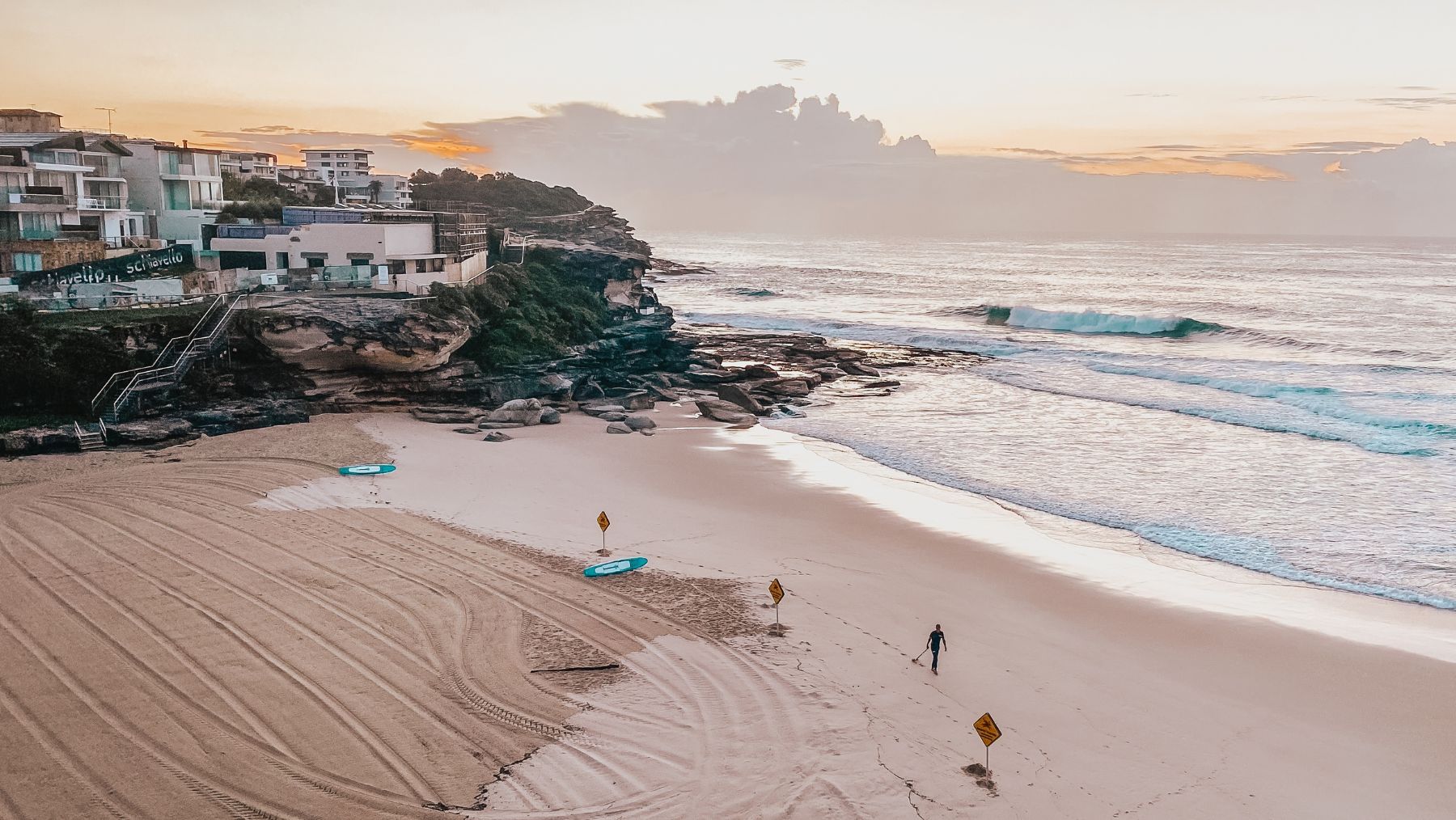
We are known for our beaches and bays, our Harbours and rock pools. It makes sense then that Sydney is home to some of the best snorkelling spots you could wish for in the world. Whether you’re on the Northern Beaches, the Eastern Sydney bays or the surf spots of the South, or even the stunning beaches inside Sydney Harbour, there’s more going on beneath the surface than you’d realise.
More than 600 species roam underneath the waves of Sydney — there’s everything from harmless little weedy sea dragons to adorable green turtles and then there’s blunt-headed Port Jackson sharks (usually harmless) and the blue ringed-octopus. It’s a marine-lover’s paradise down there. Sydney Travel Guide has strapped on the snorkels and flipped on the fins, leaving no stone unturned in search of the best underwater playgrounds for Sydney. Take a deep dive into some of my favourite places to snorkel.
Best spots in the North
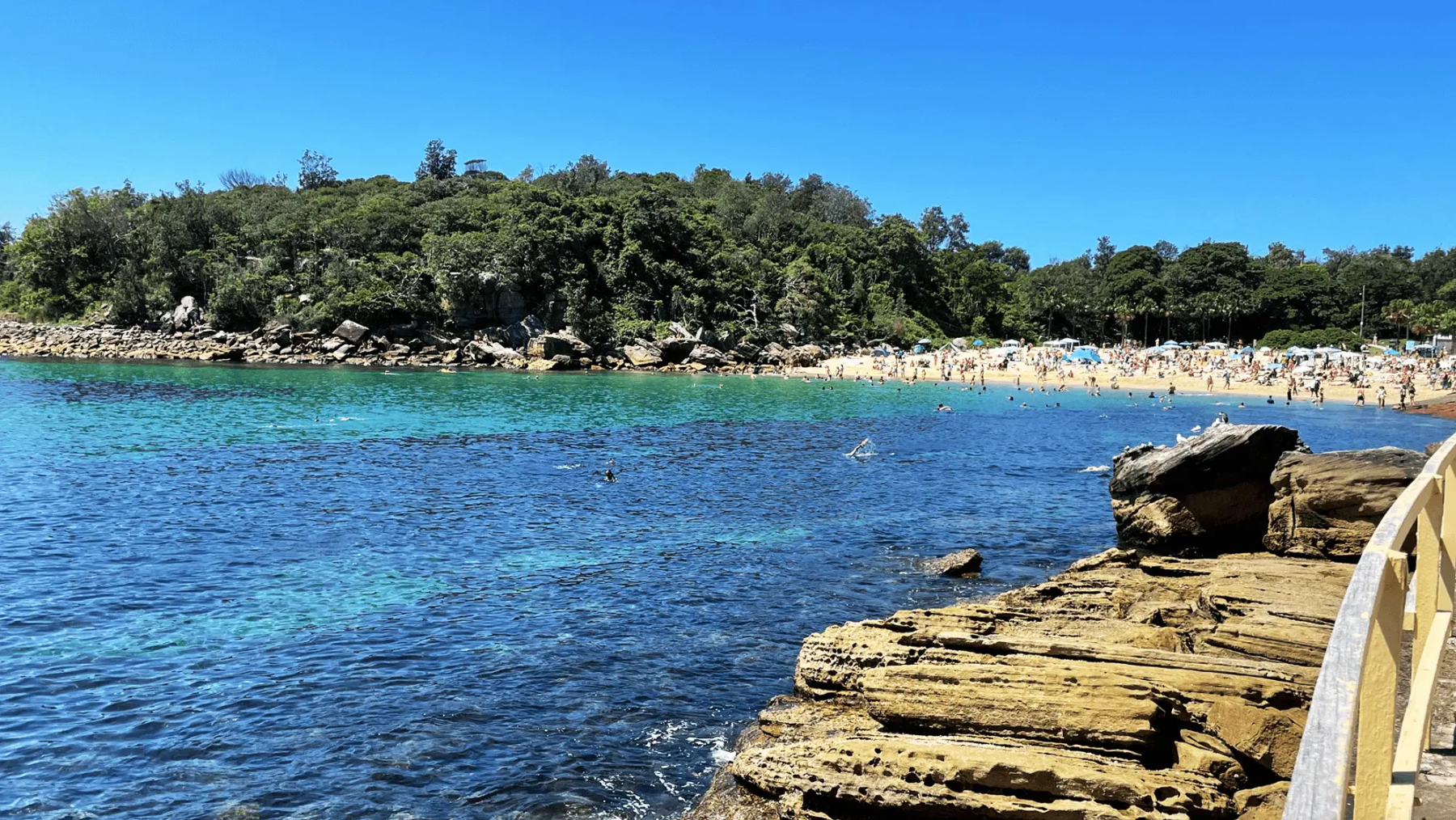
1. Shelly Beach, Manly
One of Sydney’s most pristine snorkelling spots is in Manly at Shelly Beach. It is known as a weather protected bay with year-round visibility, and is easily accessible. The true gem here is Cabbage Tree Bay Aquatic Reserve. It’s protected from waves, making it perfect for snorkellers of all levels, as well as a calm haven for sea creatures to call home. Expect to see a wide variety of fish, and marine life. One important thing to note is that this area is a protected marine reserve, so be especially careful not to harm the ecosystem. This also includes no collecting of shells, no damaging coral, and definitely no touching the sea creatures. Cabbage Tree Bay is home to over 150 species of marine life, including blue groupers and grey nurse sharks, so prepare to interact with these beauties while you’re in their living room.
Local snorkelling hire gear and advice can be found here.
2. The Basin, Pittwater
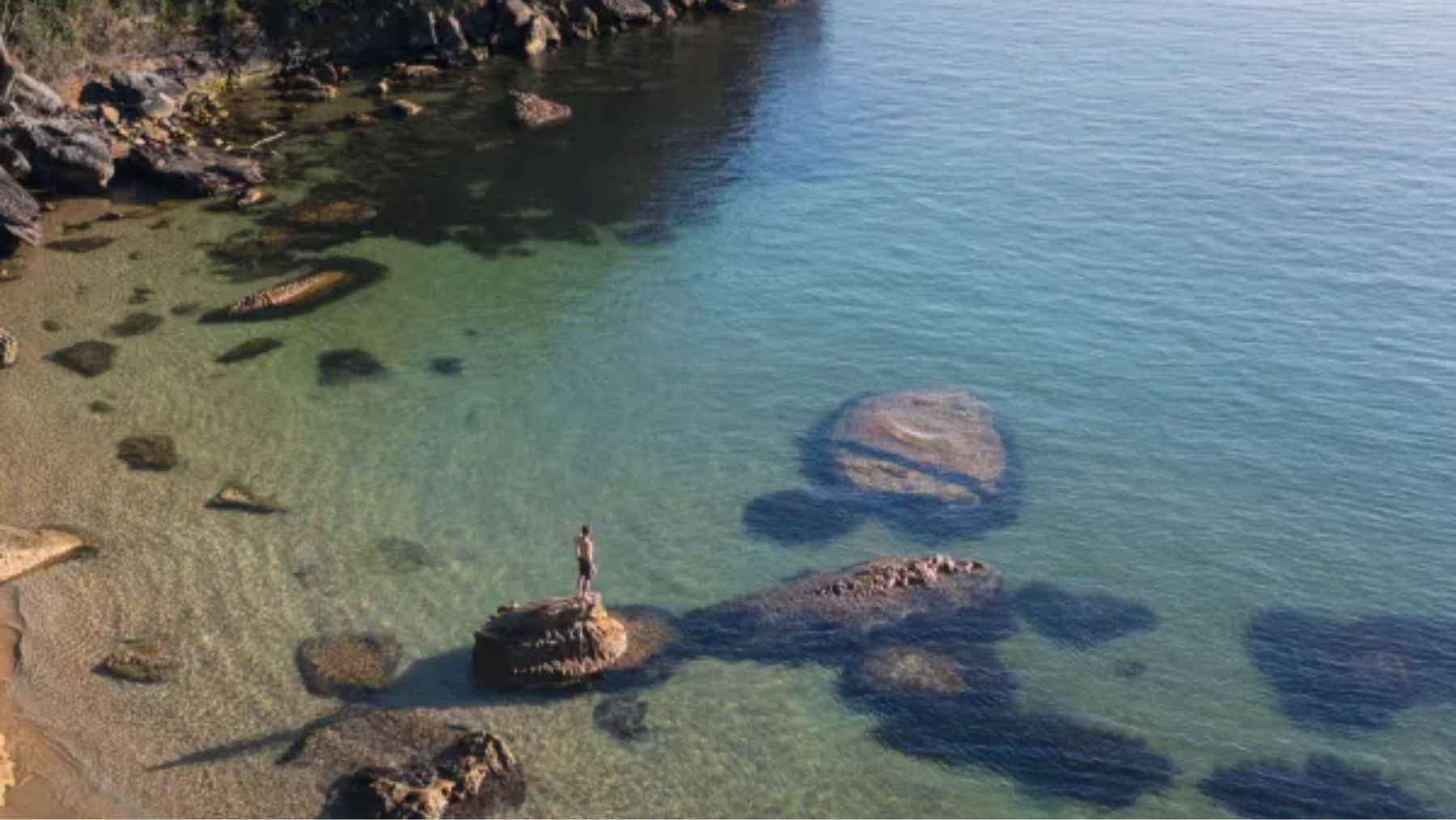
Don’t be put off by the murky-sounding name of this hotspot. The waters of this snorkelling gem are protected and shallow, making it a brilliant breeding ground for loads of colourful fish species. You can spot a variety of marine life, including seahorses, cuttlefish, starfish, bream, and sometimes even tropical species in the summer. One of the added benefits of this lagoon is that it’s a little more out of the way to access, meaning it’s less crowded. You can hike from West Head Road for the 2.8km steep walk or grab yourself a water taxi or grab a Ferry from Palm Beach Wharf. It’s worth the adventure! Dont forget to pack plenty of fresh drinking water and snacks, not to mention sunscreen.
There’s a fantastic campground at The Basin, for those who want to stay overnight and make the most of late and early morning dives.
Best spots in the East
3. Clovelly Beach
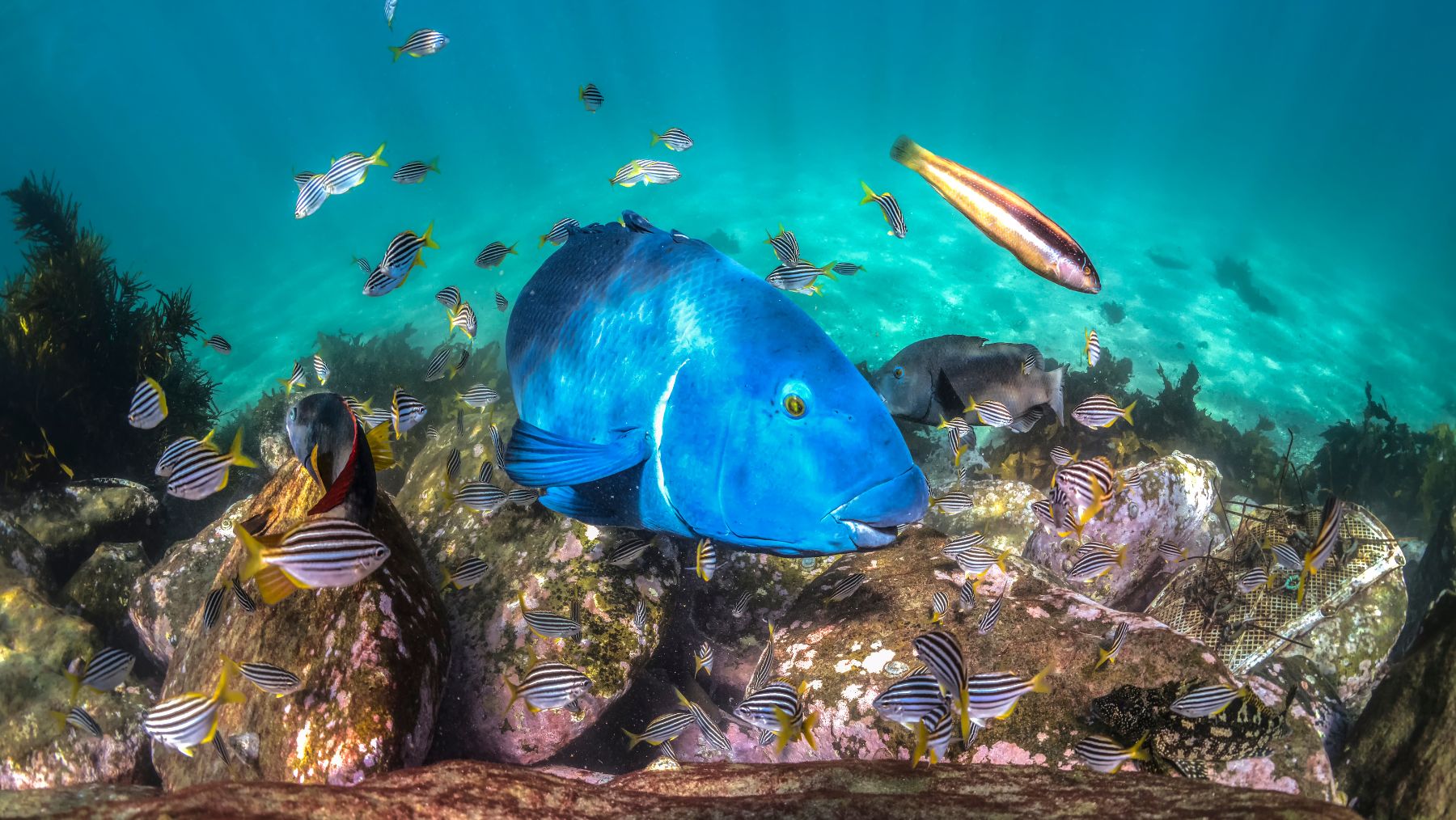
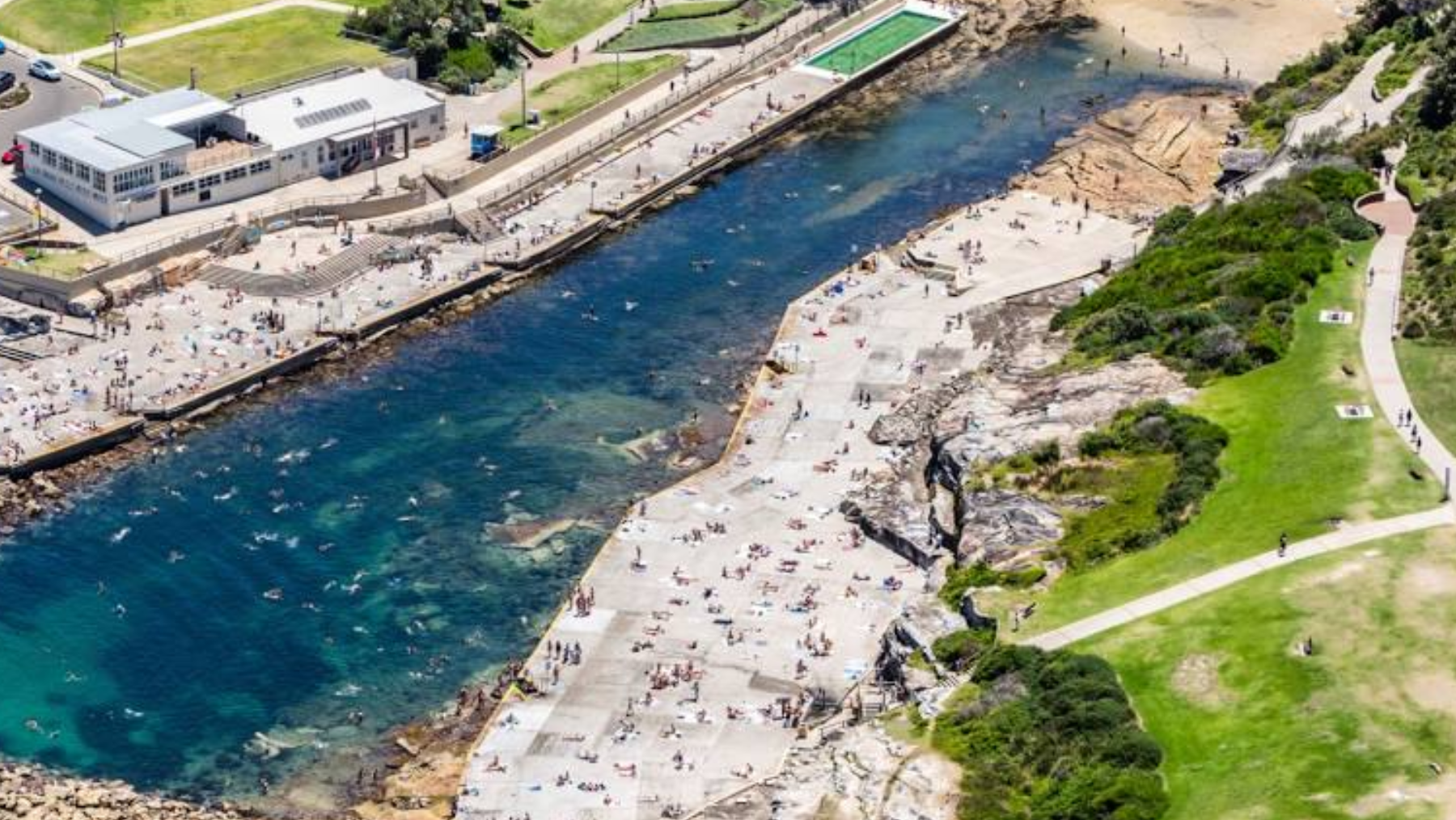
Ask anyone in Sydney where the best snorkelling spot is and they’ll most likely say Clovelly Beach. It’s almost an institution. The man-made concrete bay means it is designed for sun-bathers, snorkellers, underwater photographers, lilo-fans, scuba-beginners, and belly-floppers. Add to this list the local marine life that is so well known, the groper fish even have names. The famous Eastern Blue Groper is so well known that he has become a local attraction.
When we say “beach” you should know that there isn’t a typical beach layout at Clovelly. Concrete platforms line both sides of the bay, with a small sandy cove at the shore. The rock walls officially form part of the Bronte-Coogee Aquatic Reserve, and stretches from the southern end of Bronte Beach to the northern end of Coogee Beach and out to 100m offshore. The famous blue groper (Achoerodus viridis) has been given extra protection through a fishing closure in part of the Reserve. This Reserve is also home to a variety of invertebrate species, including rare creatures living under rocks such as chitons, starfish and flatworms. In other words, snorkelling heaven!
4. Gordons Bay, Coogee
Gordons Bay is a secluded bay you will pass on the Bondi to Coogee Walk. You can’t miss it! It has an almost Mediterranean feel to it, being nestled in amongst giant warm boulders instead of the usual Sydney sand. If you prefer to get there by car, parking is available between Gordons Bay and Clovelly Beach, although on a nice day this can be limited. Your best bet is to park at Clovelly Beach and walk around. There’s a gentle flat area of rocks adjacent to the carpark that is the recommended way to enter the water for snorkelling and diving instead of heading towards the sandy beach.
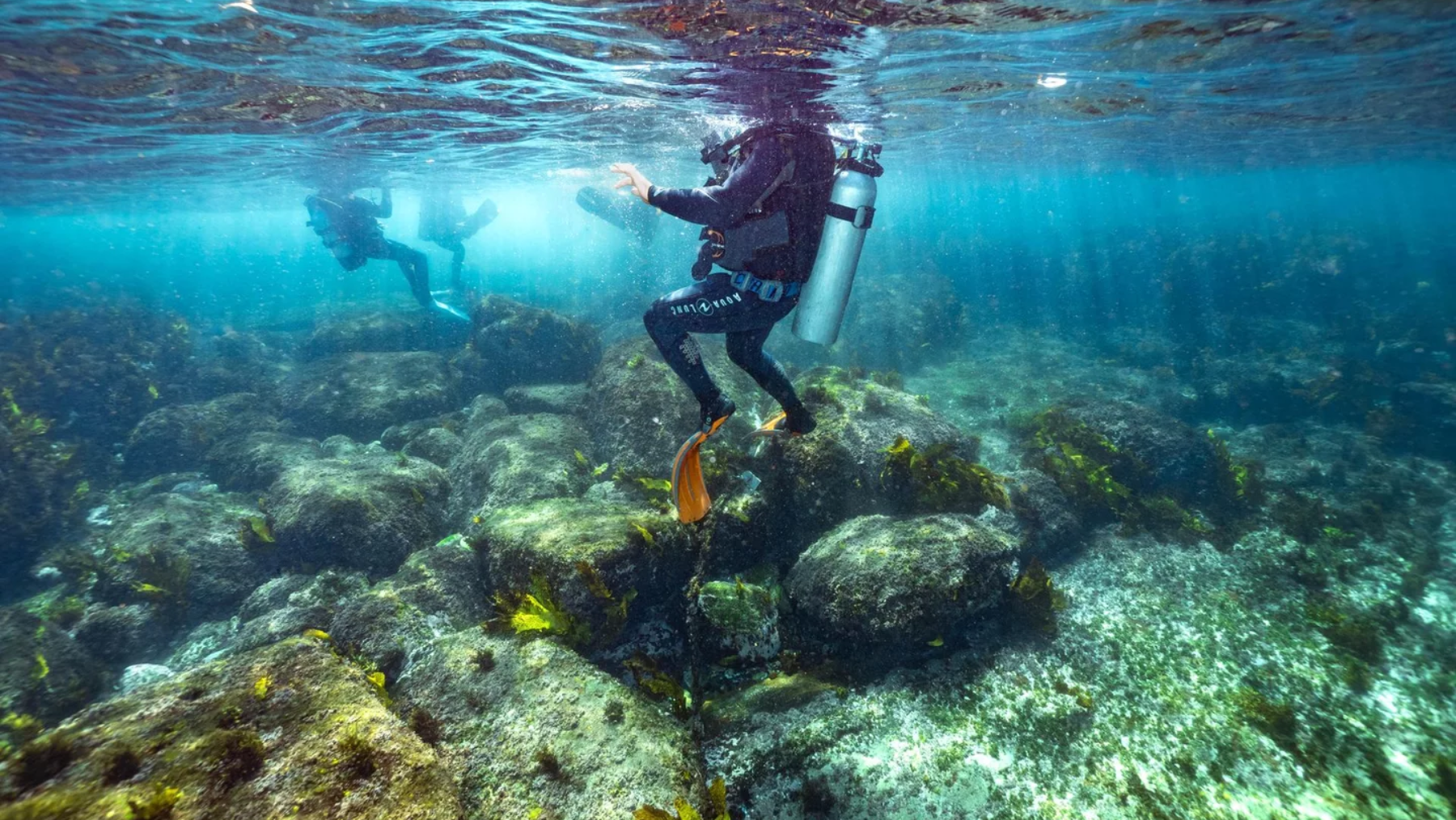
Gordons Bay boasts pristine, clear waters and a stunning mix of marine life. For this reason, it is a hugely popular spot for snorkellers and scuba divers. Our top tip is to stick to the rocky areas along the coast line for the more interesting underwater finds. As the bay dips into a depth of around 6-8m in the middle it becomes a less interesting sandy bottom. Gordons Bay is also a protected area as part of the Bronte-Coogee Aquatic Reserve so spearfishing is strictly prohibited here. Our top tip is to explore the Underwater Nature Trail set up here at Gordon’s – mostly for scuba diver learners, but also a brilliant underwater treasure hunt for snorkellers and courses are offered through local dive schools. The 600-meter under water path is marked by a chain that guides you through the site. The trail leads to “The Wall,” which is home to many Port Jackson sharks and Wobbegong sharks. See more info below on these shark species.
Best spots in the South
5. Bare Island, La Perouse
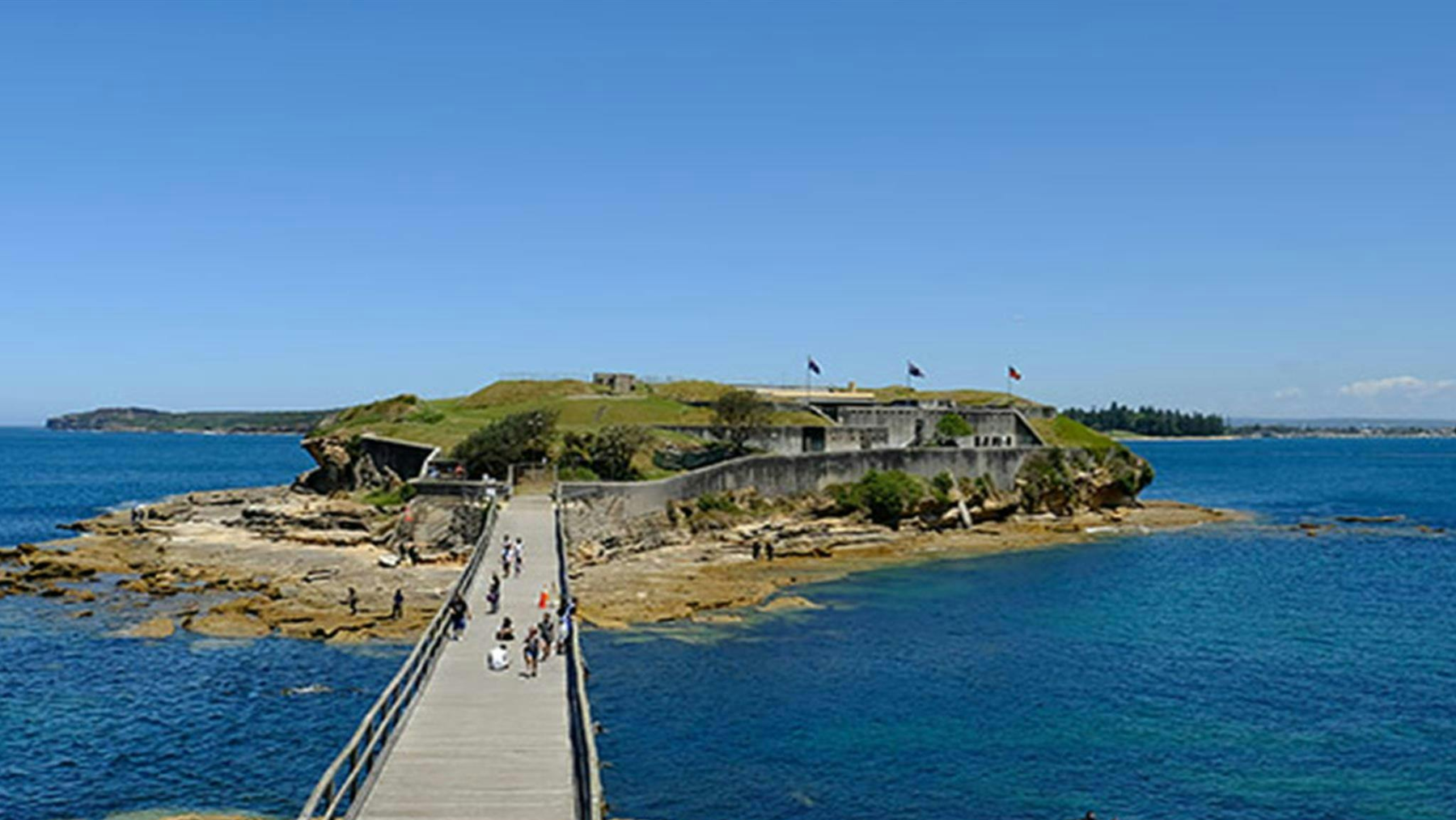
Imagine snorkelling right alongside a historic fort. Bare Island is a hugely popular spot because it offers this historic landmark, plus rich marine life like seahorses and sponge crabs… and it was the filming location for feature films including Mission Impossible II. What more could you want?
It’s easy top access via the footbridge from La Perouse. Once there, head to the calmer waters on the west side of the island, to explore the vibrant sponge gardens and sightings of seahorses, nudibranchs, and pygmy seahorses. If you’re feeling brave and more experienced, head to the east side which is more exposed and suitable for intermediate to advanced snorkelers. My insider tip is to keep an eye on the swell since it can be quite exposed to the SE swell, making entry and exit tough when this swell picks up.
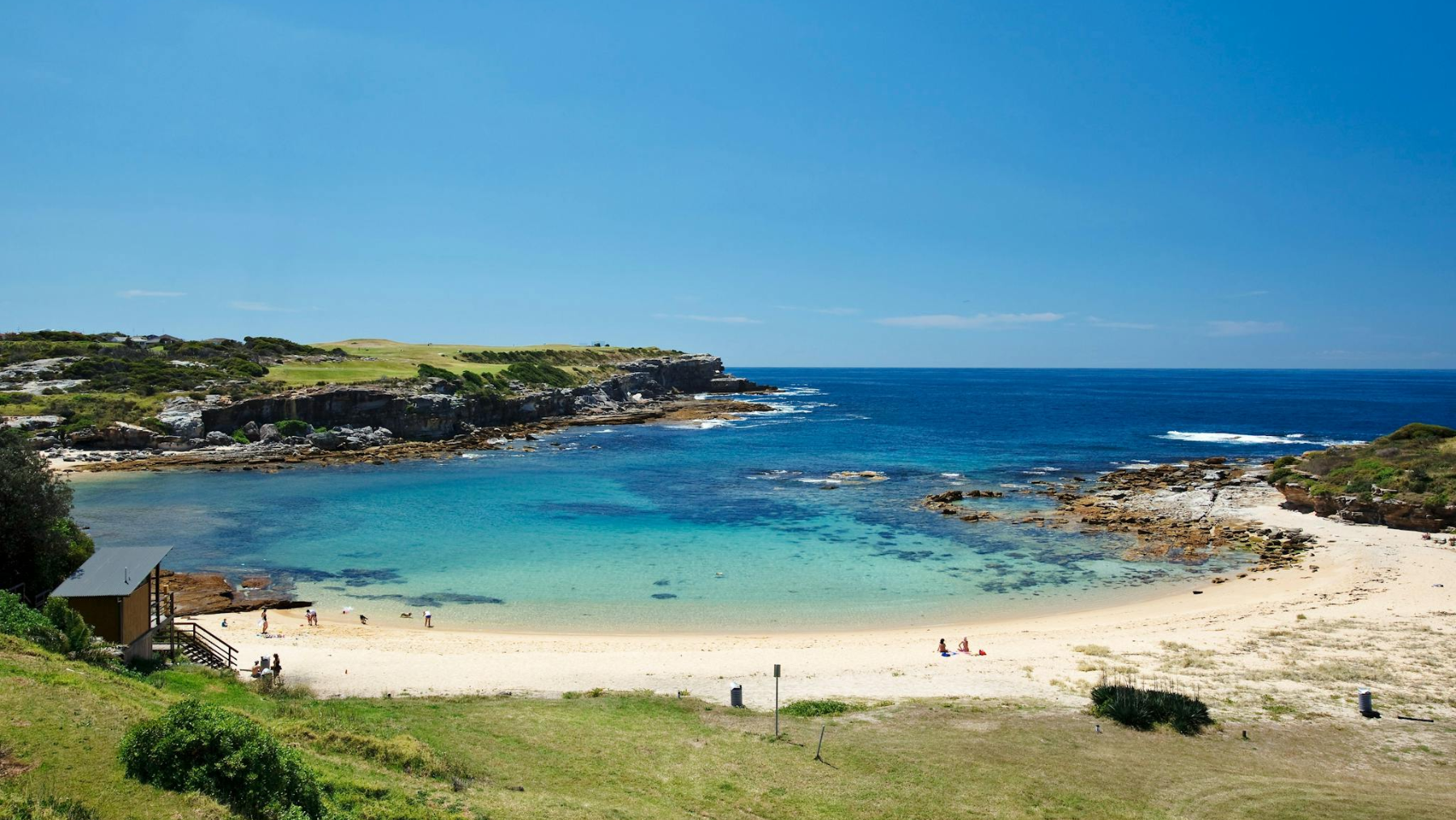
6. Little Bay
Little is known about Little Bay other than that the local guard their best kept secret. It’s a shallow and calm beach hugged by rocky headlands, making it ideal for families and newbie snorkelers who don’t want to go too far from the city to get their goggles wet. While admittedly the sea life isn’t so plentiful as elsewhere, there’ are still ‘s still plenty of colourful sea urchins and small fish to play with.
My top tip is that you can spot cuttlefish and octopus, particularly around the rocky edges and overhangs on the northern and southern ends. Getting into the water is easiest from the southern rocks, and even when the inner bay is calm, conditions can be rough during swells outside the bay.
7. Oak Park, Cronulla
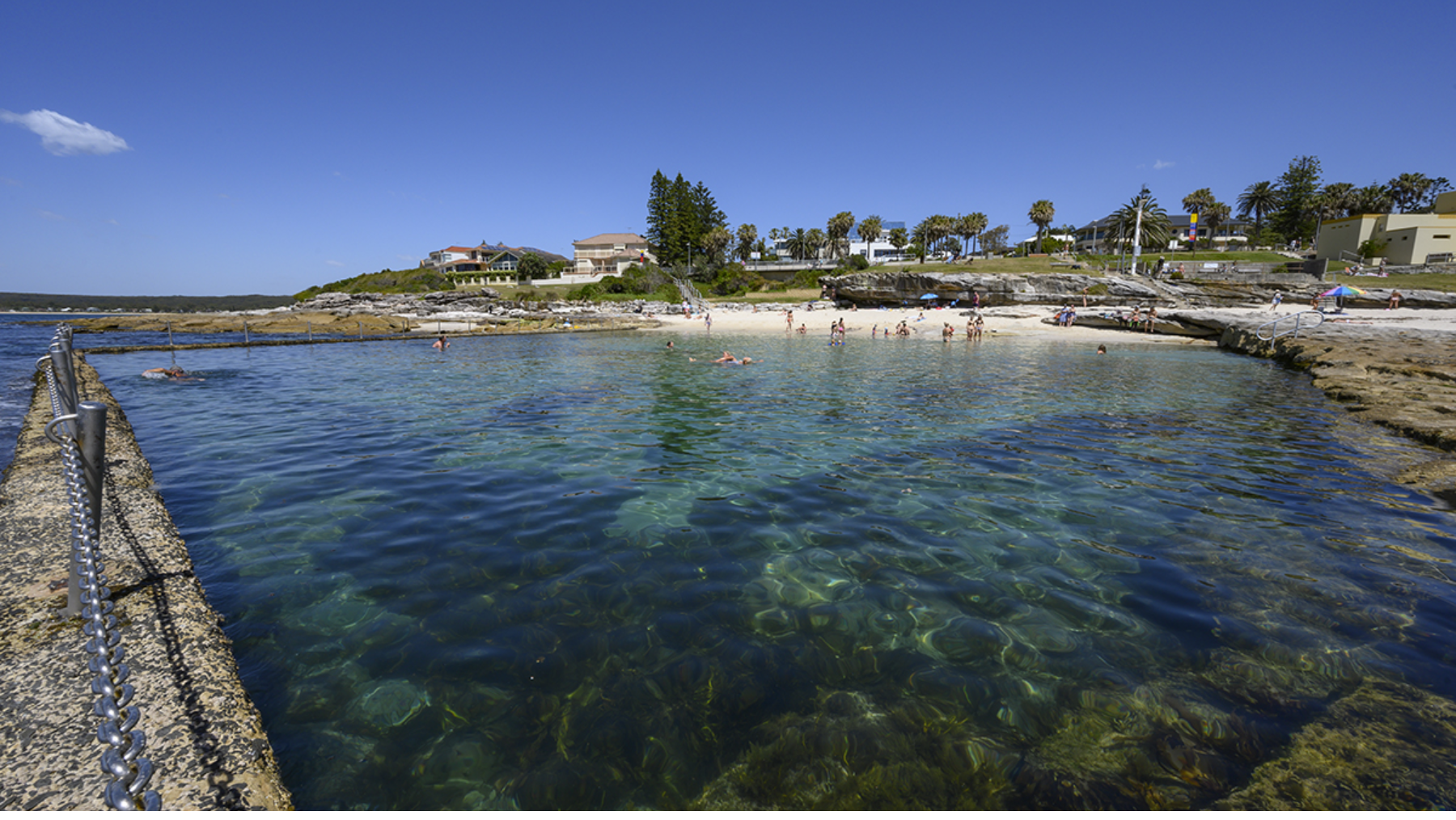
Oak Park is one of the biggest snorkelling spots in Sydney. Expect to take a deep dive into a sponge garden or a school of colourful fish. Families and beginners really love the rock pool on offer here for those wanting to ease into the ocean experience. A huge variety of sea creatures are on offer here, from cuttlefish, to lionfish, Port Jackson sharks, red Indian fish and if you’re really lucky, some giant rays.
For real adventurers, why not explore a night dive at Oak Park! You can explore the vibrant waters after dark. Oak Bay is bordered by an arched wall, so our tip is to enter from the right and take in the schools of fish that hang around the crevices and overhangs, like goatfish and the Port Jackson sharks.
Underwater creatures to look for
We all know Sydney is home to loads of fascinating sea creatures and not all are always friendly. So, here’s a little list of underwater creatures you may want to keep your distance from while you’re enjoying your underwater adventures around Sydney. It’s everything from sharks, to blue-ringed octopuses, stonefish, jellyfish like the bluebottle, and venomous fish such as the stargazer and bull-rout. Other threats include marine stingrays that can deliver electric shocks, and even some fish contain a potent poison. But remember, it’s their habitat and as long as we are just visiting from a distance, then you can safely enjoy it all.
Venomous & dangerous creatures
- Bull sharks, great white sharks, and tiger sharks: These are considered the most dangerous “target sharks” in NSW waters due to their size and frequency of aggressive encounters with humans.
- Grey Nurse Sharks: While large, they are not considered a threat to humans.
- Port Jackson Sharks: A common shark in Sydney Harbour, but they are small, have blunt teeth, and are not aggressive.
- Blue-ringed octopus: Despite their small size, they are one of the world’s most venomous animals and their bites can be fatal, though they are often painless. There is no anti-venom.
- Bluebottle jellyfish: While not true jellyfish, these are common in summer and their sting can be extremely painful to humans.
- Stargazer fish: These fish have venomous spines and can deliver an electric shock.
- Bullrout: This venomous fish can cause extremely painful stings and tissue damage.
- Stonefish: Extremely venomous, their spines can pierce a rubber-soled shoe and can be fatal if not treated.
- Stingrays: While most stingrays in Sydney are not considered a high risk, some species like the numb ray can deliver an electric shock.
- Threebar Porcupinefish: They contain a potent poison that is thousands of times more toxic than cyanide.
Snorkelling safety advice
There are lots of amazing marine creatures that live in the ocean and on our beaches. Learn about the marine creatures that you should look out for when you visit the beach. Rips are one of the greatest and most common hazards on Australian beaches. Knowing what a rip is, how to spot one and how to avoid one is key to staying safe at the beach. Find your nearest patrolled beaches in seconds.
Click here for the Surf Live Saving NSW info.